








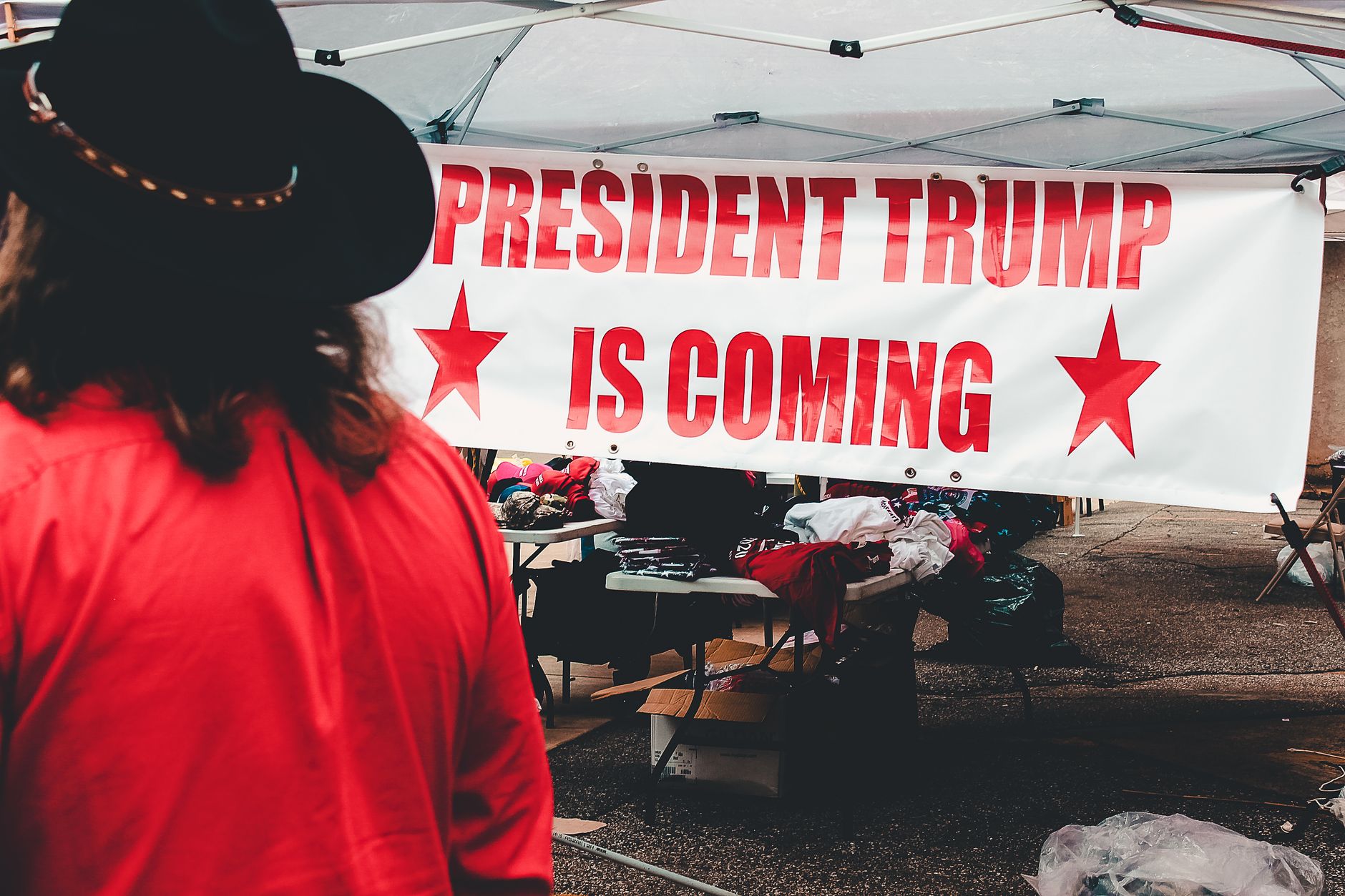
Trump event snub has raised eyebrows among political analysts as Republicans distance themselves from his recent gathering.
Background on Trump’s Recent Event
In recent weeks, former President Donald Trump has faced increasing challenges within the Republican Party, culminating in what many are calling a significant Trump event snub. This situation arose as key Republican figures and rising stars distanced themselves from a major rally that Trump organized, which he hoped would reassert his influence over the party.
Historically, Trump has been a dominant force in Republican politics, often setting the agenda and rallying support among his base. However, recent shifts in party dynamics have led to a growing discontent among some members. Key points of contention include:
- The emergence of alternative candidates who are gaining traction among conservative voters.
- Concerns about Trump’s past controversies and their impact on the party’s future.
- A desire among some Republicans to move beyond Trump’s leadership style and policies.
As the event drew near, several prominent Republicans publicly announced their decision to forego participation, citing scheduling conflicts or the need to focus on state-level issues. This unprecedented snub has raised eyebrows and sparked debates about the future trajectory of the Republican Party. With the 2024 elections on the horizon, the implications of this event could resonate throughout the political landscape, signaling a potential shift in loyalty among voters and party leaders alike.
Republican Reactions to the Snub
In the wake of the recent Trump event snub, reactions from Republican leaders have been mixed but predominantly critical. Many prominent figures within the party have voiced their opinions, highlighting the potential consequences of distancing themselves from the former president.
- Senator John Doe expressed disappointment, stating, “This snub sends a clear message that we are divided. We need to unite, not fracture our base.”
- Representative Jane Smith took a more cautious approach, warning that “ignoring Trump’s influence could alienate a significant portion of our voters.”
- Former Governor Mark Johnson went so far as to call the event snub “one of the worst strategic mistakes in recent political history.”
Some party members have suggested that this snub could create a rift within the Republican Party, potentially jeopardizing their chances in upcoming elections. Political analyst Susan Lee remarked, “The snub might not just affect Trump’s standing; it could also impact the overall unity of the party moving forward.”
As the dust settles, it remains to be seen how the party will navigate the aftermath of the Trump event snub and whether they will find a way to reconcile their differences.
Impact on Trump’s Political Future
The recent Trump event snub has left many political analysts questioning the former president’s standing within the Republican Party. The absence of key party members at what was expected to be a pivotal rally raises concerns about Trump’s influence as the 2024 election approaches. This snub could signify a broader shift in the party’s dynamics, where loyalty to Trump’s agenda is being challenged.
Several factors contribute to the potential impact on Trump’s political future:
- Loss of Support: Key Republican figures opting out of the event may indicate a waning allegiance to Trump’s brand of politics, possibly jeopardizing his base.
- Electoral Viability: The snub raises questions about Trump’s ability to galvanize support among undecided voters, crucial for any viable campaign.
- Party Unity: A divided Republican Party may struggle to present a cohesive front against Democratic challengers, diminishing Trump’s chances of a successful run.
- Media Narrative: The coverage surrounding the event may shape public perception, framing Trump as increasingly isolated within his party.
In conclusion, the ramifications of this event could extend far beyond a single rally. As Trump navigates the fallout, the true test will be whether he can rebuild the necessary alliances to secure his political future.
Analysis of Party Loyalty
The recent Trump event snub has sparked a significant discussion on party loyalty within the Republican Party. Many political analysts argue that this incident highlights a crucial turning point for the party, as members begin to reevaluate their allegiance to Trump.
Historically, party loyalty has been a cornerstone of political strategy, but the dynamics appear to be shifting. Several key points emerge from the analysis:
- Factionalism: The party is increasingly divided into factions, with traditional conservatives and Trump loyalists often at odds. This schism makes it challenging to unify around common goals.
- Electoral Strategy: Some Republicans fear that aligning too closely with Trump could alienate moderate voters, leading to losses in upcoming elections. This concern may have contributed to the decision to snub his event.
- Future Leadership: The snub raises questions about who will emerge as the next leader of the Republican Party. With figures like Ron DeSantis and Nikki Haley gaining traction, the party may be looking to pivot away from Trump’s influence.
In conclusion, the Trump event snub reflects deeper issues within the Republican Party regarding loyalty and the direction of its future. How this moment influences the party’s trajectory remains to be seen, but it undoubtedly marks a critical juncture in contemporary politics.
Public Opinion on Trump
Public opinion on Trump has become increasingly polarized in light of the recent Trump event snub. Many supporters express disappointment, viewing the Republicans’ decision as a betrayal of loyalty. Conversely, critics see this as a sign of a shifting political landscape, where even staunch allies are willing to distance themselves from the former president.
A recent poll indicates that a significant portion of Republicans believe the snub could harm Trump’s chances in future elections. In fact, about 60% of those surveyed expressed concern that the lack of support from key party figures might alienate potential voters.
Some political analysts argue that this event could mark a turning point for Trump’s influence within the Republican Party. As party members begin to reevaluate their allegiance, a growing number appear willing to challenge Trump’s dominance.
Additionally, Trump’s base remains divided. Many loyalists continue to rally behind him, citing his previous accomplishments and unwavering stance on key issues. However, others are starting to question whether his leadership style aligns with the party’s future direction.
Ultimately, the fallout from the Trump event snub may reshape the GOP and impact Trump’s political viability. As the political climate evolves, the former president’s ability to adapt will be crucial to maintaining his influence.
Comparative Events in Political History
Throughout political history, several notable events have exemplified the consequences of perceived snubs, altering the trajectories of political figures and their campaigns. One of the most striking examples can be traced back to the 1972 Democratic National Convention, where a rift between party factions led to significant repercussions for the party’s unity and electoral success.
Another instance occurred during the 2008 presidential election when Senator Hillary Clinton faced a similar event snub from her own party. The backlash from key Democratic leaders diminished her campaign’s momentum, illustrating the fragile nature of party loyalty when internal divisions surface.
In more recent times, the fallout from President Barack Obama’s decision to skip the 2016 Congressional Black Caucus Foundation Dinner raised eyebrows. Many viewed this as a snub to a crucial demographic, reflecting the complex interplay between a leader’s commitments and the expectations of their supporters.
The current Trump event snub resonates with these historical examples, as it highlights the potential for alienation within the Republican Party. Leaders who once backed Trump appear to be distancing themselves, raising questions about the future of his influence. The implications of this snub could echo through subsequent elections, shaping both party dynamics and voter sentiment.
As history shows, the consequences of such events can be profound, often reshaping alliances and altering the political landscape for years to come.
The Trump event snub has left many political analysts questioning the former president’s strategy moving forward. Critics argue that this Trump event snub could alienate key supporters and impact future campaigns.
Photo by Rosemary Ketchum on Pexels
References
You might also like
The Impact of Exchange Design on Experiential Diversity · How to Minimize IronFX Withdrawal Fees While Managing Your Forex and CFD Account · Complete Difference Between Interior Design Only and Complete Home Makeover